
She smiles during worship. She volunteers when someone needs help. She encourages other women, remembers birthdays, and makes sure everyone else feels welcome.
Then she gets into her car, closes the door, and quietly exhales.
Nobody knows how exhausted she really is.
She loves God. She believes His Word. But somewhere between being a mother, wife, employee, caregiver, ministry leader, or dependable friend, she has lost touch with herself.
She is surrounded by people who know what she does, but very few who know what she carries.
And that raises an important question about the future of women's ministry:
Are we creating places where women can participate, or places where women can actually become whole?
The Warning Signs Are Already Here
 For years, women's ministry has often centered on conferences, fellowship events, Bible studies, and service opportunities.
These activities have value. But attendance and activity do not automatically produce emotional or spiritual wholeness.
A woman can attend every gathering while privately struggling with shame, grief, comparison, resentment, or the fear of disappointing everyone.
The need for genuine connection extends beyond churches.
The U.S. Surgeon General's 2023 advisory identified loneliness and social disconnection as important public-health concerns. The CDC's 2024 report also connected inadequate social and emotional support with mental-health challenges.
These findings do not establish what every woman experiences in church. They do, however, reinforce something ministry leaders cannot afford to overlook:
Being around people is not the same as feeling safe enough to be known.
Biblical Truth Was Never Meant to Produce Spiritual Pretending
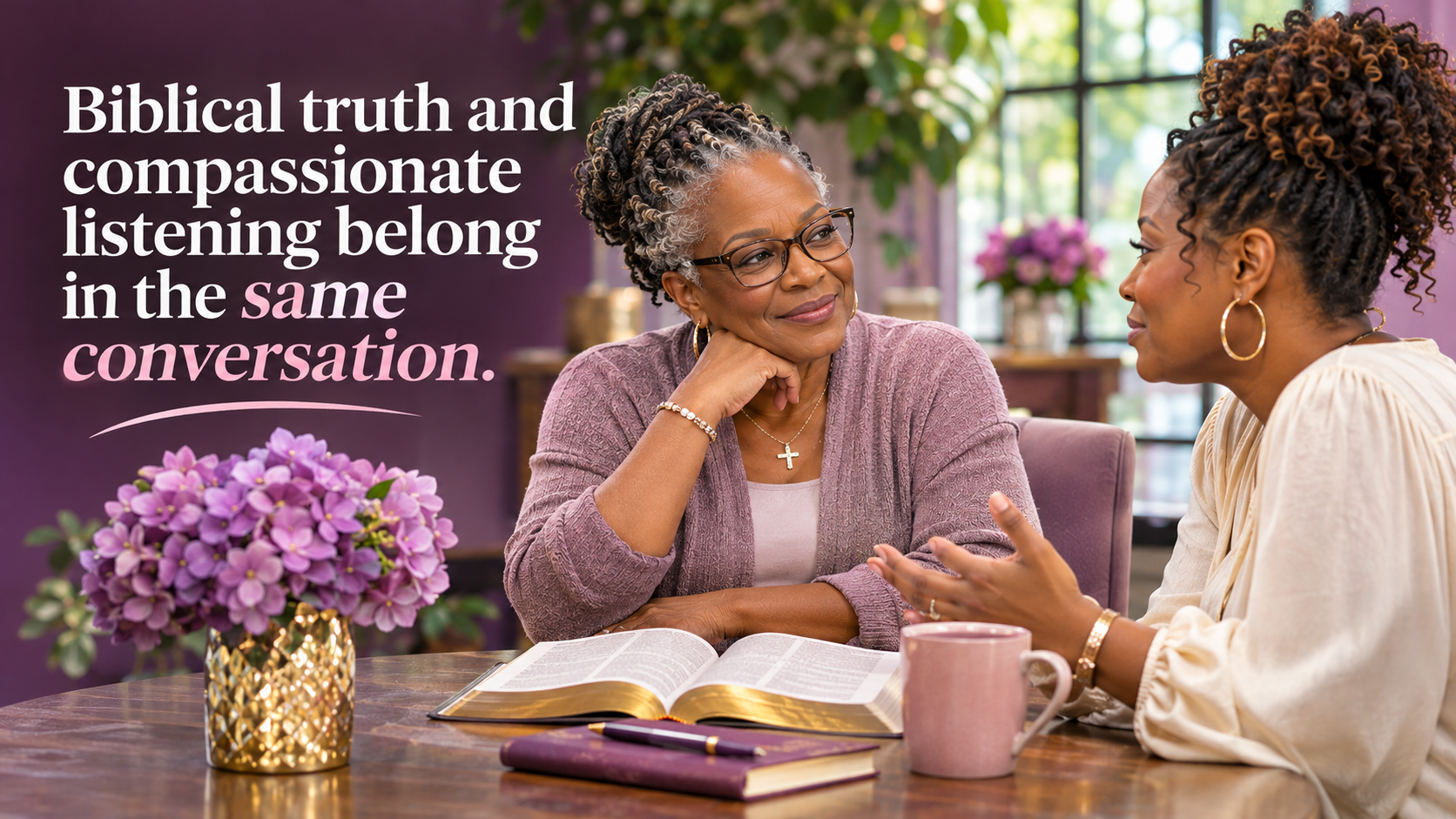 Consider the woman Jesus encountered at the well in John 4.
She arrived carrying a complicated personal history. Jesus knew the truth about her circumstances, yet He engaged her in conversation rather than treating her as disposable.
He did not ignore her life. Neither did He reduce her identity to her past.
Their encounter opened a conversation about living water, true worship, and the Messiah.
This distinction matters.
An emotionally safe biblical space is not a place where Scripture becomes optional or difficult truths are avoided.
It is a place where truth is communicated with compassion, dignity, and wisdom.
Galatians 6:2 calls believers to bear one another's burdens. James 5:16 connects honest confession and prayer within Christian community.
Neither passage describes a community built on pretending everything is fine.
Biblical safety is not freedom from truth. It is freedom from humiliation while encountering truth.
The Future Will Require More Than Another Women's Event
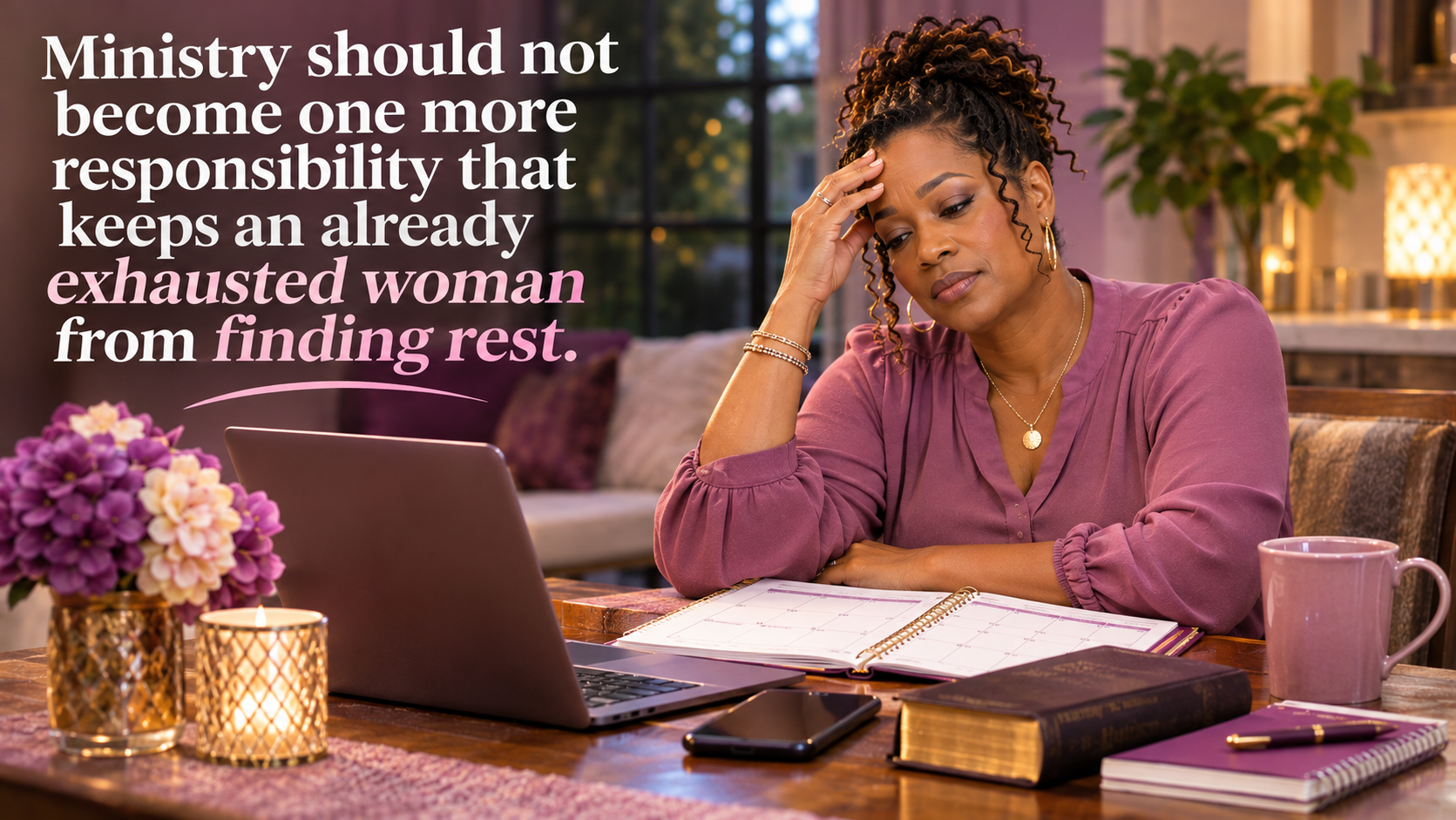 Here is the forecast: Women's ministries that intentionally combine biblical teaching, trustworthy relationships, practical boundaries, and appropriate emotional support may become increasingly important to women seeking genuine transformation.
The old assumption is that if women remain busy serving, they must be growing.
But busyness can sometimes conceal brokenness.
Imagine a woman who leads at work, cares for aging parents, and volunteers at church.
Everyone admires her strength.
Yet she privately believes that saying no makes her selfish.
She wears what Beauty Inside Out calls the Superwoman Hat.
What if her ministry experience helped her discover that her worth is not measured by how much she accomplishes?
What if she learned that rest is not rebellion against responsibility?
Suddenly, ministry becomes more than another obligation. It becomes a place where she can examine her beliefs through Scripture and learn healthier ways to live.
Before You Change Your Life, Examine Your Hats
 At Beauty Inside Out Women's Group, we teach that women wear many hats, but those hats were never meant to become their identity.
Some hats represent meaningful assignments. Others develop through fear, cultural pressure, or people-pleasing.
Consider three common examples:
- The Savior Hat: Believing you must fix everyone else's problems.
- The Superwoman Hat: Believing rest means you are failing.
- The Approval Hat: Believing everyone's acceptance determines your worth.
Now ask yourself:
Which hat am I wearing because God has entrusted me with a responsibility, and which am I wearing because I am afraid to disappoint someone?
That question can begin an important transformation.
Genesis 1:27 establishes humanity's dignity as created in God's image. Ephesians 2:10 reminds believers that their lives have purpose in Christ.
Your responsibilities matter. But they are not the foundation of your worth.
What Emotionally Safe Women's Ministry Must Become
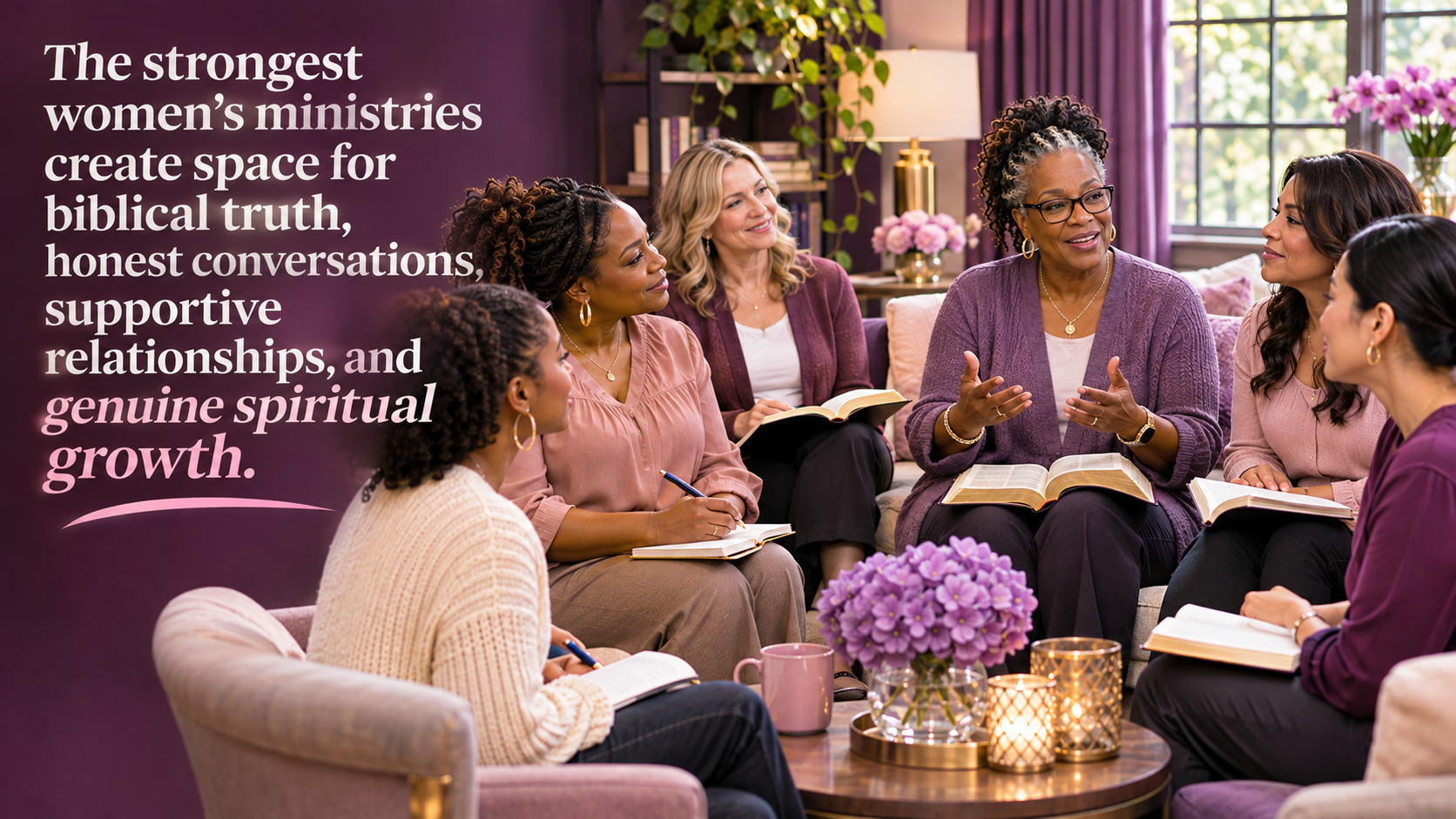 The future calls for communities where women can ask difficult questions, acknowledge their limitations, learn healthy boundaries, and receive biblical encouragement without public embarrassment.
That requires trustworthy leadership, respect for confidentiality, wise accountability, and recognition that some emotional struggles require qualified professional support alongside pastoral care.
It also requires a different measure of ministry success.
Not simply how many women attended.
But whether women are learning to live with greater clarity, spiritual maturity, healthier relationships, and freedom from false identities.
A woman's transformation begins when she realizes she does not have to perform wholeness to begin pursuing it.
Your Next Step: Discover Who You Are Beneath the Hats
 You do not need to abandon your responsibilities to rediscover yourself.
You need to understand which responsibilities belong to you, which expectations are weighing you down, and who God says you are beneath them all.
Beauty Inside Out Women's Group offers an insightful ebook designed to guide that discovery.
Through Scripture, relatable scenarios, guided reflection, and a practical Hat Audit, you will learn to recognize life-giving roles, identify false hats, establish healthier boundaries, and reconnect with your God-given identity.
Explore the Beauty Inside Out ebook and begin your Hat Audit.
Because the future of women's ministry should not simply produce women who do more.
It should help women become whole enough to live as the women God created them to be.
Research supporting the article: U.S. Surgeon General, Our Epidemic of Loneliness and Isolation (2023); CDC, Loneliness, Lack of Social and Emotional Support, and Mental Health Issues (2024). The forecast about future ministry practices is an editorial prediction, not an established statistical trend.